- THE UNESCO CREATIVE CITIES NETWORK
Creativity at the service of the world
The UNESCO Creative Cities Network works to promote cooperation with and among cities where creativity is a strategic factor for sustainable urban development. This website presents the Cities of Music and the key projects carried out within them. At the same time, it serves as an invitation to cooperate, communicate, and promote further activities within the network.
- A GLOBAL PROJECT
Network of Music Cities
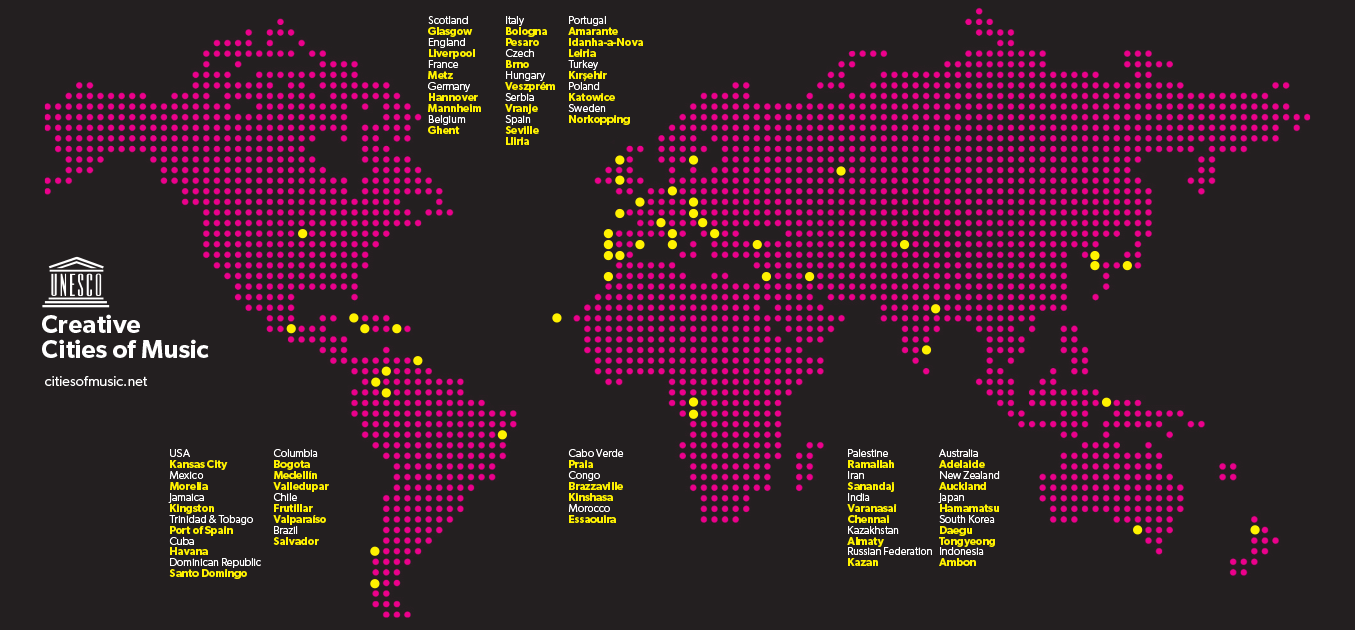
Within the UNESCO Creative Cities Network, the Music category is one of the most active and cohesive. More than fifty cities from five continents share the same conviction: that music is not just entertainment, but a strategic asset capable of transforming economies, shaping communities, and projecting identities to the entire world.
Llíria is the Spanish representative of the Mediterranean wind band tradition in this network. A unique voice, with more than 200 years of musical history, among world-renowned cities.
- THE SPANISH CITY WHERE MUSIC HAS BEEN PLAYING SINCE THE 3RD CENTURY B.C.
Llíria
The cities that make up the Music category in the UNESCO Network share common traits: a deep musical tradition rooted in their community, a real institutional commitment to the music sector as an economic engine, and an active willingness to cooperate and learn from their sister cities.
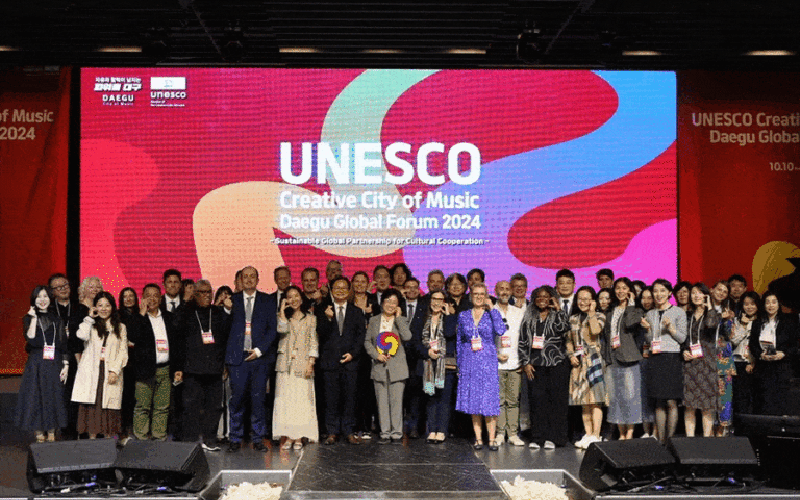
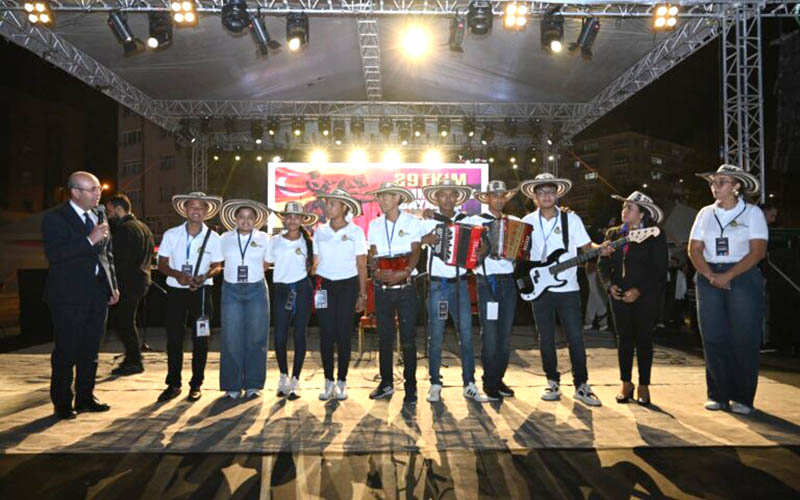
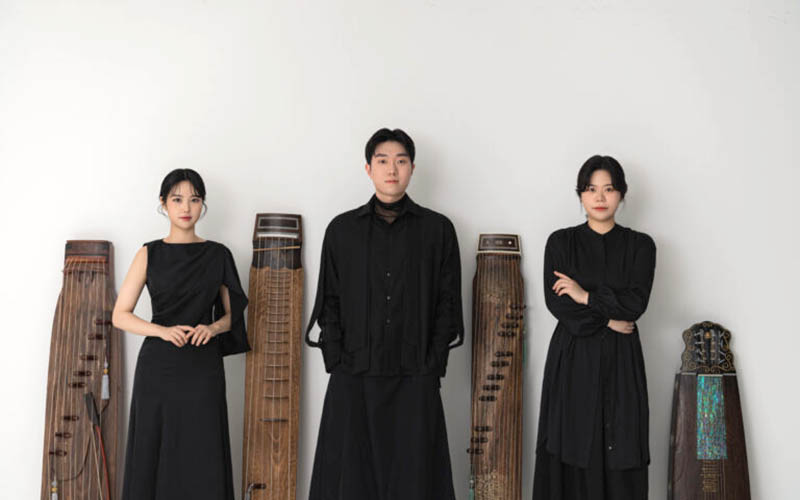
Among the most prominent are cities as diverse as Bogotá (Colombia), with its vibrant Latin American popular music scene; Daegu (South Korea), a benchmark for classical music in East Asia; Glasgow (United Kingdom), the birthplace of alternative rock and indie music; Seville (Spain), the capital of flamenco; or Vienna (Austria), the city of Mozart and Beethoven.

- MUSICAL LLÍRIA
What Llíria brings to the network
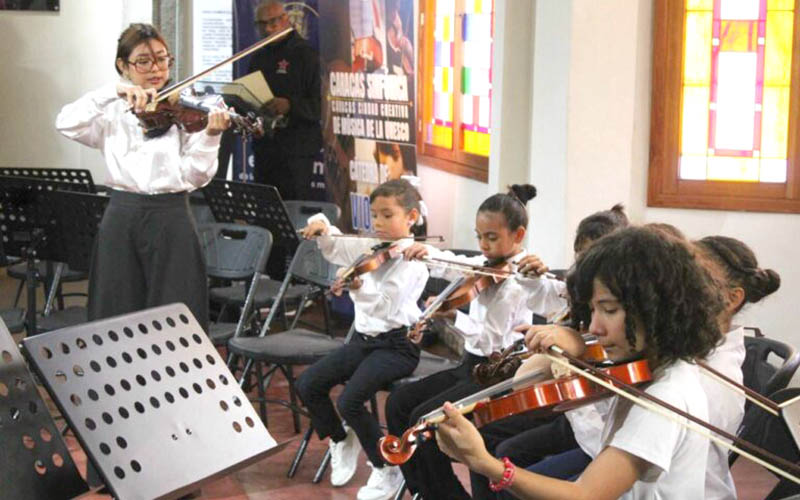
Each city brings its own uniqueness to the network. Llíria's contribution is unique and difficult to replicate: a tradition of more than 200 years of civil bands that have shaped the social life of the city from the ground up, from the community, without needing external infrastructure.
While other cities in the network boast grand opera houses or major international festivals, Llíria contributes something harder to build: a deep and popular musical culture, where 20% of the inhabitants play an instrument and where music has been a tool for social inclusion since the 19th century.
It is this model—music as community DNA, not as a spectacle for consumers—that UNESCO recognized in 2019 and that Llíria continues to export through the network.
UNESCO Creative City of Music
Llíria City of Music
· Institutional and Cultural Portal
· Llíria City Council

