Llíria
Where music is a
mother tongue
In Llíria, music is not simply learned; it is inherited. Every child growing up in this city hears music before they can even remember—in the streets during processions, in the band auditoriums, and in school classrooms—and sooner or later ends up holding an instrument. This is neither a coincidence nor a recent cultural initiative: it is the legacy of generations who understood music education not as a luxury, but as an essential element of human development.
Today, Llíria boasts four official music education centers, six specialized associations, a public conservatory that has trained more than 3,000 musicians over 25 years, and the distinction of having been the first city in Spain to integrate music into primary education. It is an educational ecosystem unmatched in a city of its size.
The Educational Revolution That Transformed Spain
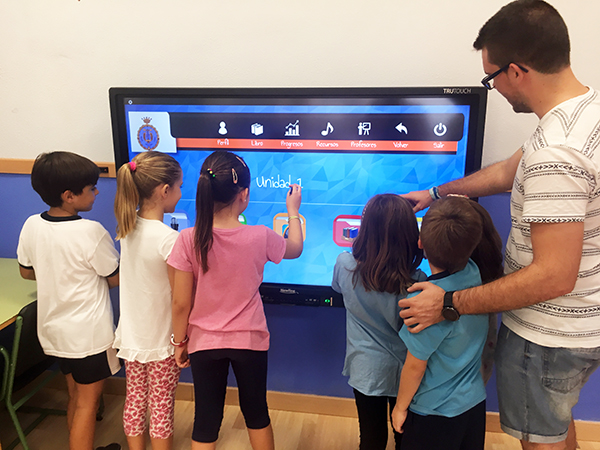
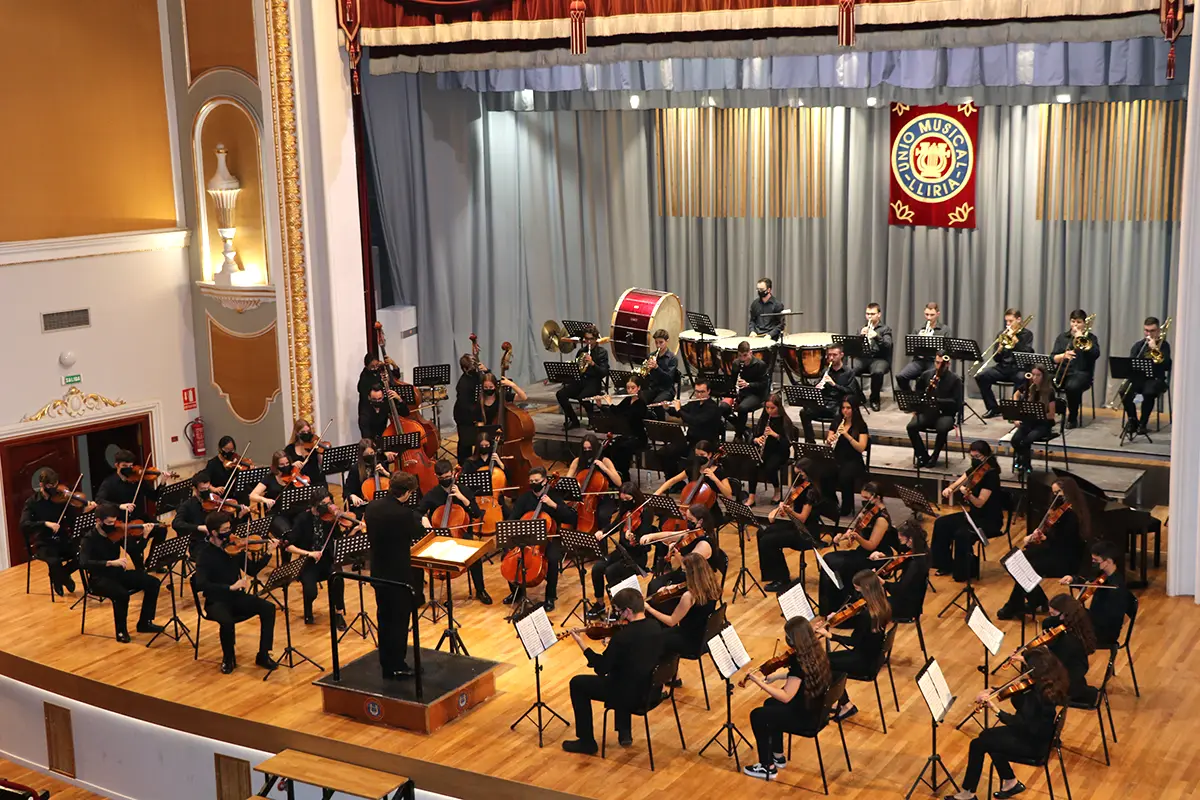
On September 1, 1997, Llíria made history in Spanish education: on that day, the first educational center in Spain to integrate music instruction with primary school curricula opened its doors.
The initiative, spearheaded by the Unió Musical, demonstrated what pedagogical research had long advocated: that children who learn music from an early age develop enhanced cognitive abilities, greater concentration, stronger emotional intelligence, and superior academic performance.
More than twenty-five years later, this model remains fully active and has inspired similar initiatives across other cities and autonomous communities. Llíria was the pioneer—and continues to set the benchmark.
Art, Dance, and Theater: Comprehensive Creative Education
Llíria's creative talent is by no means limited to music. The city is also home to a state-subsidized School of Dance offering formal curricula in classical, Spanish, and contemporary styles, as well as the San Francesc School of Dramatic Art and the Municipal School of Dramatic Art, which train actors and performing artists.
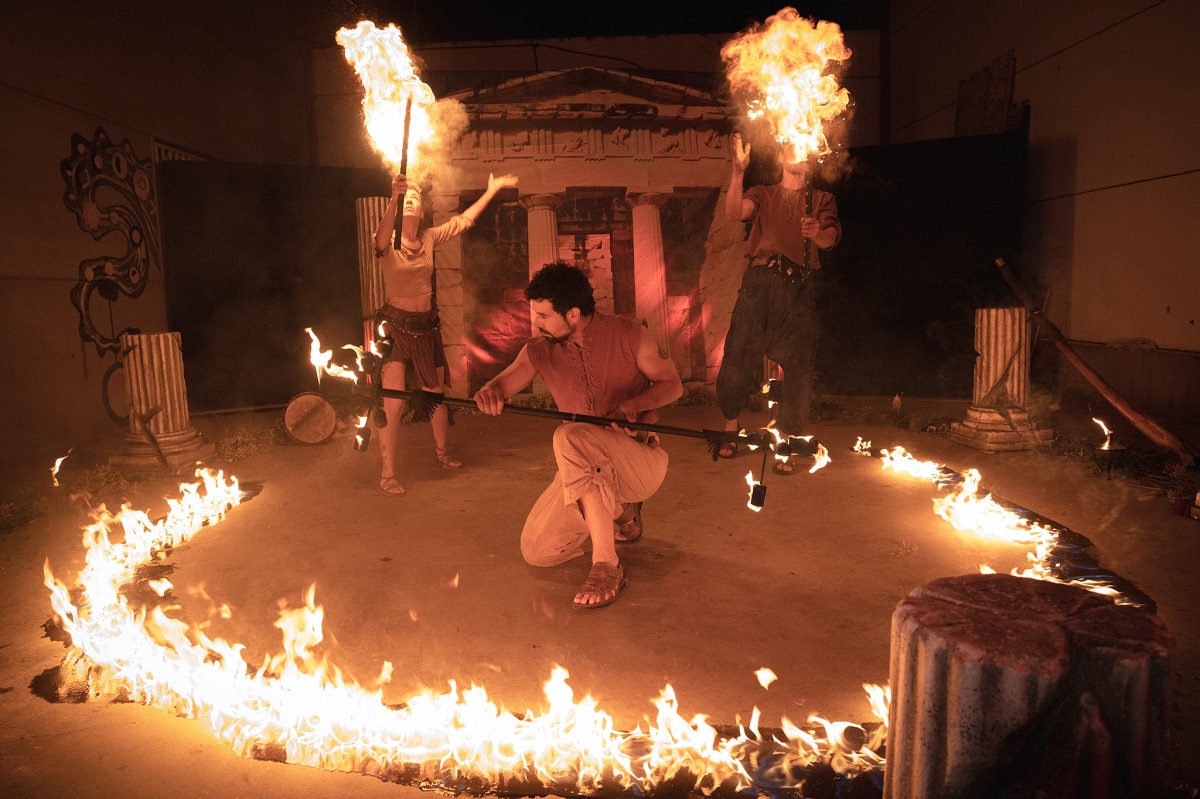
In 2017, this vibrant creative energy culminated in the “Llíria Escénica” Performing Arts Festival, a project proving that the city's artistic calling extends far beyond bands and concert halls.
The Professional Conservatory of Music of Llíria
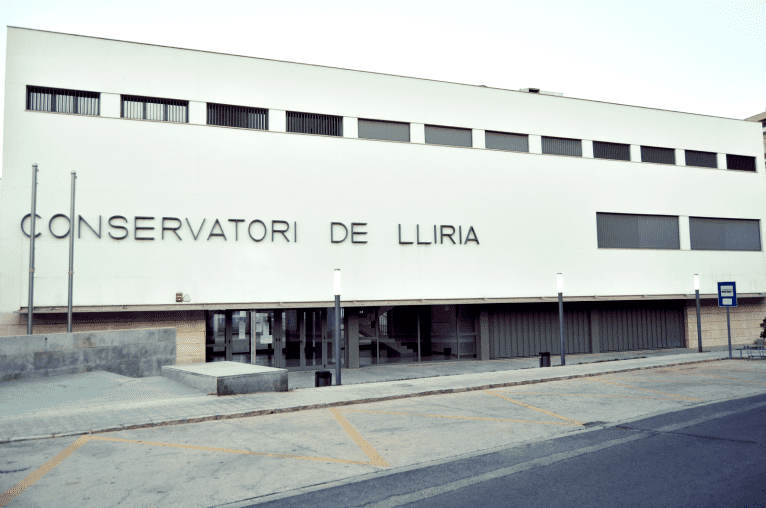
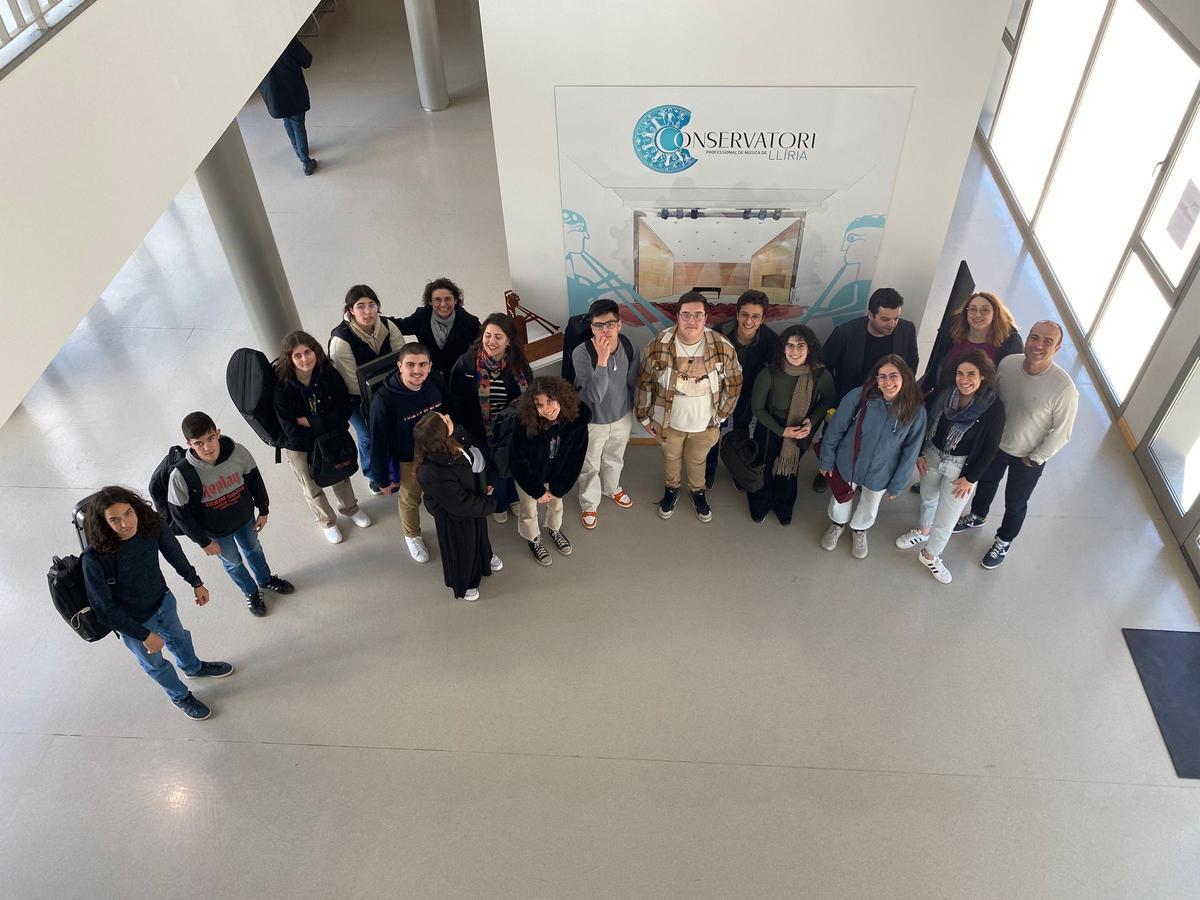
The cornerstone of accredited music education in Llíria is its Professional Conservatory of Music, a municipal public institution established in 1993 that provides elementary and professional-level training across a comprehensive range of instrumental specialties.
Over more than three decades of operation, the Conservatory has graduated over 3,000 musicians—53% of whom are women—many of whom now pursue professional careers in orchestras, concert bands, and music schools across Spain, Europe, and around the world. This milestone speaks volumes about the excellence of its instruction and the caliber of talent nurtured by this city.
The Conservatory does not operate in isolation: its work is closely intertwined with that of local musical societies and band schools, creating a unified educational network unique to the Valencian Community.
The Schools of the Musical Societies
Alongside the Conservatory, Llíria's three prominent musical societies maintain their own elementary schools, serving as the gateway to the world of music for local youth:
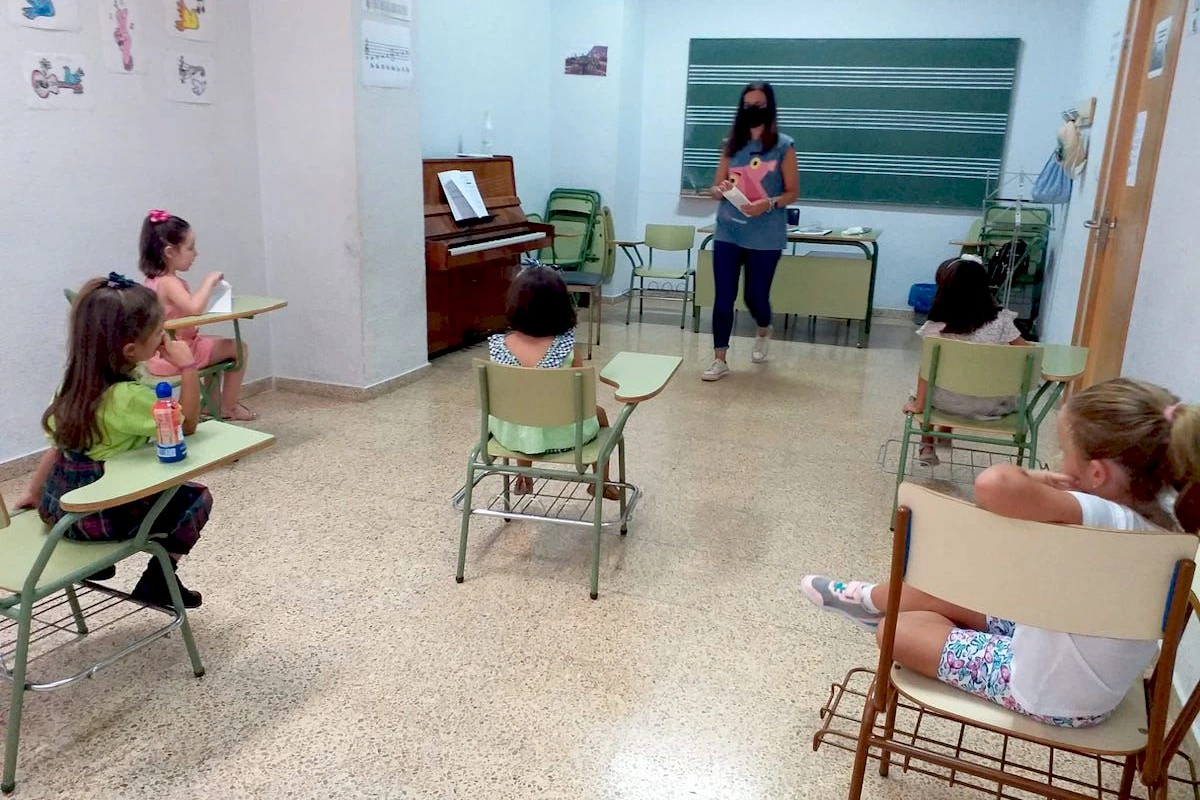
Music School of the Banda Primitiva
With over 200 years of history, the school of the Primitiva has served as the musical starting point for generations of musicians from Llíria. Its pedagogical methodologies blend traditional instruction with modern approaches tailored to each developmental stage.
Music School of the Unió Musical
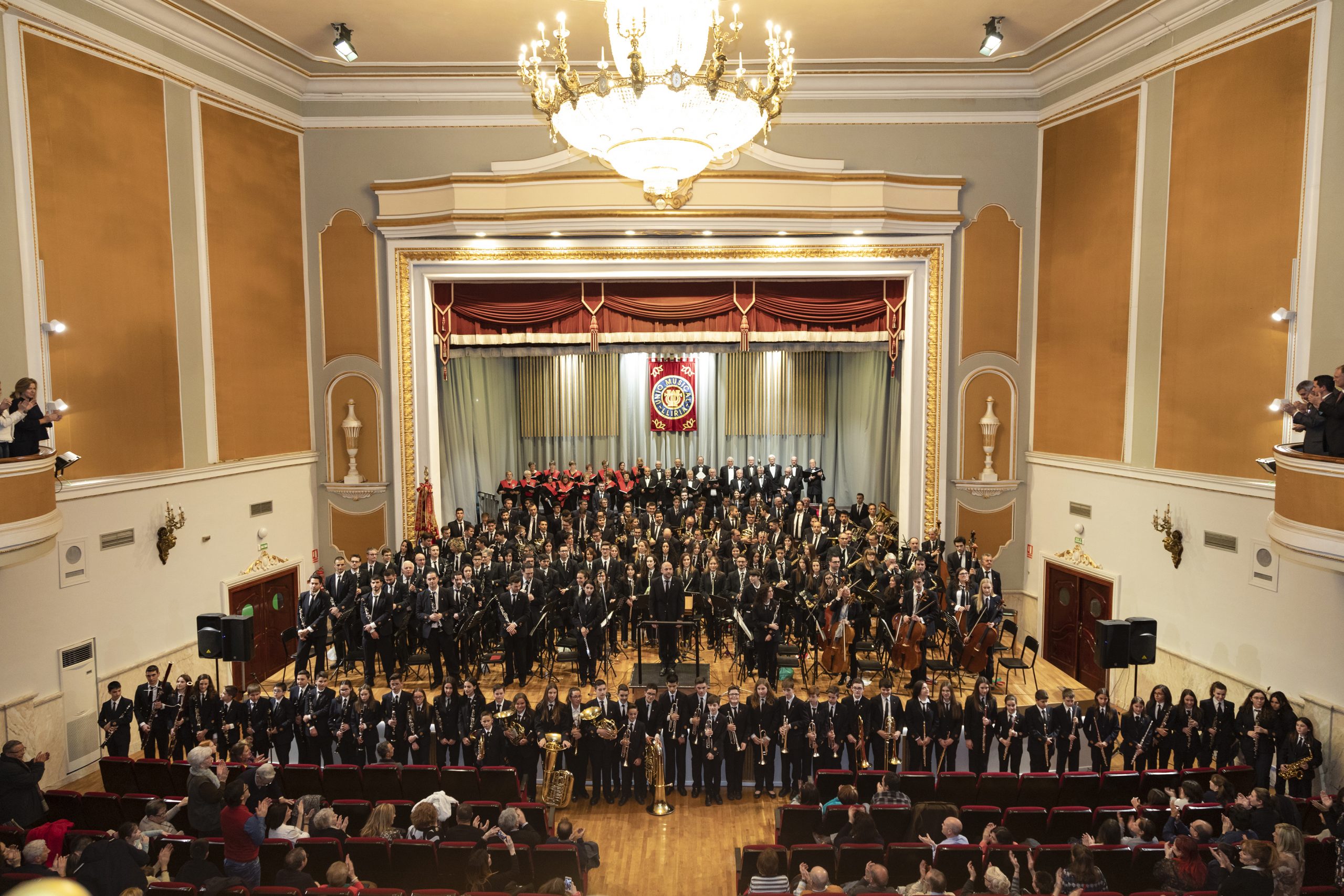
The Unió Musical features far more than a symphonic band and a youth orchestra: its student music school and advanced training program instruct dozens of students each year across all proficiencies, from fundamental techniques to conservatory entrance examination preparation.
CIEM
La Unió Musical
The Integrated Center for Music Education (CIEM) represents the crowning achievement of Llíria's music education system. It seamlessly combines specialized music training with the standard primary and secondary curriculum in a single facility, employing the “Gabou” method to unite both disciplines naturally and effectively.
YEAR OF SPAIN'S FIRST INTEGRATED MUSIC SCHOOL
1997
MUSICIANS TRAINED BY THE CONSERVATORY OVER 25 YEARS
+3000
ACCREDITED MUSIC EDUCATION CENTERS
4
SPECIALIZED MUSICAL ASSOCIATIONS
6
ACTIVE PROFESSIONAL MUSICIANS WORLDWIDE TRAINED IN LLÍRIA
+1400
PERCENTAGE OF FEMALE GRADUATES FROM THE CONSERVATORY
53%

Specialized and Continuing Adult Education
Music education in Llíria extends far beyond accredited academic curricula. The city features six specialized institutions and associations offering programs tailored to diverse backgrounds and all age groups:
Courses in jazz, chamber music, audiovisual culture, and music journalism for individuals seeking to broaden their skills beyond the classical repertoire. Early childhood programs utilizing the Suzuki method, an educational approach founded on imitation and listening that has transformed instrumental instruction worldwide.
The musical societies themselves—the Banda Primitiva and the Unió Musical—consistently offer masterclasses and advanced training programs for graduates and professionals in disciplines such as Composition, Orchestral Conducting, Music History, Musicology, Early Medieval and Renaissance Music, and Advanced Performance. This distinguished post-graduate enrichment curriculum attracts musicians from across Spain.
The University of Valencia enriches this ecosystem with annual seminars held during its Summer and Autumn Schools. Centered on Music and Heritage, these seminars are designed for educators, researchers, and cultural sector professionals.
Music Research — Archives and Library
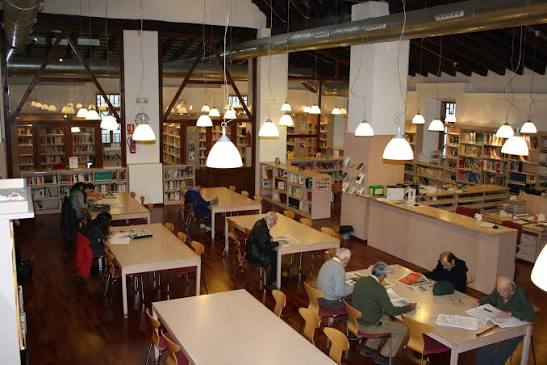
The strength of Llíria's music education also relies on a vital, behind-the-scenes knowledge infrastructure: its music archives and libraries.
The Llíria Public Library Network and the city's three music archives—one municipal and two belonging to the musical societies—preserve documents of remarkable historical and scholarly value: municipal records of musical initiatives, original scores, individual instrumental parts, historical photographs, performance posters, audio and video recordings of concerts and festivals, biographical records of local composers and musicians, concert programs, and band transcriptions of universal masterworks.
This documentary heritage has formed the foundation for numerous doctoral dissertations and scholarly publications on Llíria's musical legacy, establishing the city as a prominent subject of study in Spanish and international musicology.
UNESCO Creative City of Music
Llíria City of Music
· Institutional and Cultural Portal
· Llíria City Council